Allea Sweet: A Cute Display Font for Branding
Last Tuesday, I sat at my kitchen table surrounded by stacks of unsold candle jars and a pile of blank labels. My business was growing, but my packaging felt stuck in the past. The current font looked generic, like something pulled from a free template library that thousands of other sellers were using. I needed a change that would make my brand feel polished, consistent, and memorable without losing the handmade charm that customers loved. That is when I discovered Allea Sweet.
In the world of small business branding, typography is often the silent salesperson. It speaks before your customer reads a single word about your product. After testing this unique display font across various materials, from social media graphics to physical packaging, I can confidently say it has transformed how my brand presents itself. If you are a creative consultant, an online seller, or a boutique owner looking to elevate your visual identity, understanding how a typeface like Allea Sweet works is essential.
The Personality Behind the Letters
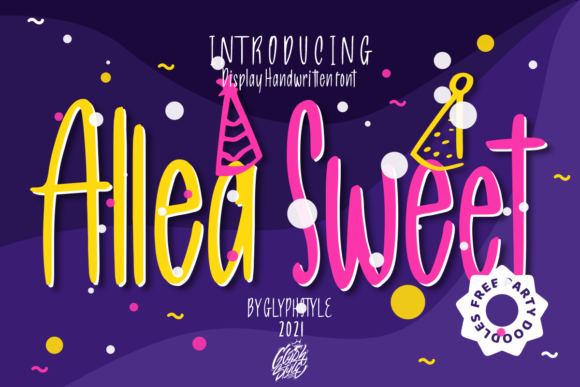
What makes Allea Sweet stand out in a crowded market of fonts? It is not just about the shape of the letters; it is about the mood they convey. This is a creative font designed with a distinct personality. It feels friendly, approachable, and undeniably cute, yet it retains enough structure to look professional. Unlike some overly decorative scripts that sacrifice readability for style, Allea Sweet strikes a delicate balance.
When I first applied it to a mock-up of a skincare label, the difference was immediate. The rounded edges and playful curves softened the overall design, making the product feel gentle and trustworthy. For businesses targeting families, children, or anyone who appreciates a warm aesthetic, this typeface acts as a visual hug. It suggests that the brand behind the logo cares about details and understands the emotional connection with its audience. In editorial design and packaging design, that emotional resonance is often what turns a casual browser into a loyal customer.
Real-World Applications for Small Businesses
One of the biggest challenges for entrepreneurs is knowing where to use a specific font. Is it too bold for a menu? Too whimsical for a legal disclaimer? Through my experiments, I found that Allea Sweet excels in specific roles within a brand identity system. It is primarily a display font, meaning it shines brightest in headlines, titles, and short phrases rather than long paragraphs of body text.
- Logo Design: For a bakery or a toy shop, using Allea Sweet as the primary logo font instantly communicates fun and quality. It stands out on storefront signs and business cards.
- Product Labels: On candle jars or soap bars, the font serves as a perfect title element. Pair it with a clean sans serif for ingredients, and you have a balanced, high-end look.
- Social Media Graphics: Instagram posts and Pinterest pins need to stop the scroll. Using this font for promotional text on images grabs attention because it feels human and crafted.
- Thank You Cards: Inside a package, a handwritten-style note is nice, but a printed message in Allea Sweet feels more intentional and branded.
I tested this on a set of digital stickers for an online shop banner. The result was vibrant and engaging. The font’s unique character made the banner pop against a white background, proving its versatility in web design and digital marketing assets. However, it is important to remember that because it is a display font, it should be used sparingly. Overusing it can dilute its impact and make your brand look cluttered.
Mastering Readability and Visual Consistency
A common mistake I see small business owners make is choosing a font that looks great on a large monitor but becomes illegible on a mobile screen or a tiny sticker. When reviewing Allea Sweet, I paid close attention to its legibility at different sizes. While it is beautiful in large formats like posters or book covers, it requires careful handling on smaller items.
For small labels, such as those on jewelry tags or spice jars, ensure you are using a weight that remains clear. Avoid shrinking the text too much, as the intricate curves might blur. In modern typography, clarity is king. If a customer cannot read your product name quickly, they may move on. On mobile devices, where most of your traffic likely originates, test your designs on a phone screen before finalizing them. Does the headline still look crisp? Does it maintain its cute appeal?
Consistency is another pillar of strong branding. Once you decide to use Allea Sweet for your headlines, stick with it across all platforms. Whether it is your website banner, your email newsletter subject lines, or your shipping invoices, using the same font pairing strategy creates a cohesive experience. This consistency builds trust. Customers begin to recognize your brand instantly, even before they read your name.
Perfect Pairings for a Polished Look
No font exists in a vacuum. To truly make Allea Sweet work for your business, you need to pair it with complementary typefaces. The goal is to create contrast that guides the eye while maintaining harmony. Since Allea Sweet is a playful, rounded display font, it pairs beautifully with neutral, structured fonts.
I recommend trying these combinations:
- Clean Sans Serif: Pair Allea Sweet with a simple, geometric sans serif for body text. This combination keeps the design modern and easy to read while letting the display font take center stage.
- Elegant Serif: For a more sophisticated twist, try combining it with a classic serif font. This works well for beauty brands or boutique clothing lines that want to blend cuteness with elegance.
- Minimalist Handwritten: If you need a secondary accent, a thin, minimal script can add a personal touch without competing with the main font.
Avoid pairing Allea Sweet with other highly decorative fonts. Two loud voices talking at once creates noise, not music. Let the premium font do the heavy lifting for the headlines, and let a simpler font handle the details.
Licensing and Technical Considerations
Before you download and install any commercial font for your business, there are critical technical and legal steps to take. As a business owner, protecting your brand means ensuring you have the right permissions. Always check the license agreement included with Allea Sweet. Does it cover commercial use? Can you use it on products you sell, like t-shirts or mugs? Most professional fonts offer a standard commercial license, but some require an extended license for merchandise.
Also, consider the file formats and features included. Does the font support the languages you need? Are there alternate characters or ligatures that can add extra flair to your logo? Having access to these design assets gives you more flexibility in creating unique visuals. Ensure the files are compatible with your design software, whether you are using Adobe Illustrator, Canva, or Photoshop.
Ultimately, investing in a high-quality typeface like Allea Sweet is an investment in your brand's future. It signals to your customers that you value professionalism and aesthetics. From refreshing a café menu to redesigning an online shop banner, the right font can be the catalyst that elevates your entire business presence. By choosing a font that aligns with your brand's voice and applying it consistently, you create a memorable identity that resonates with your audience.